
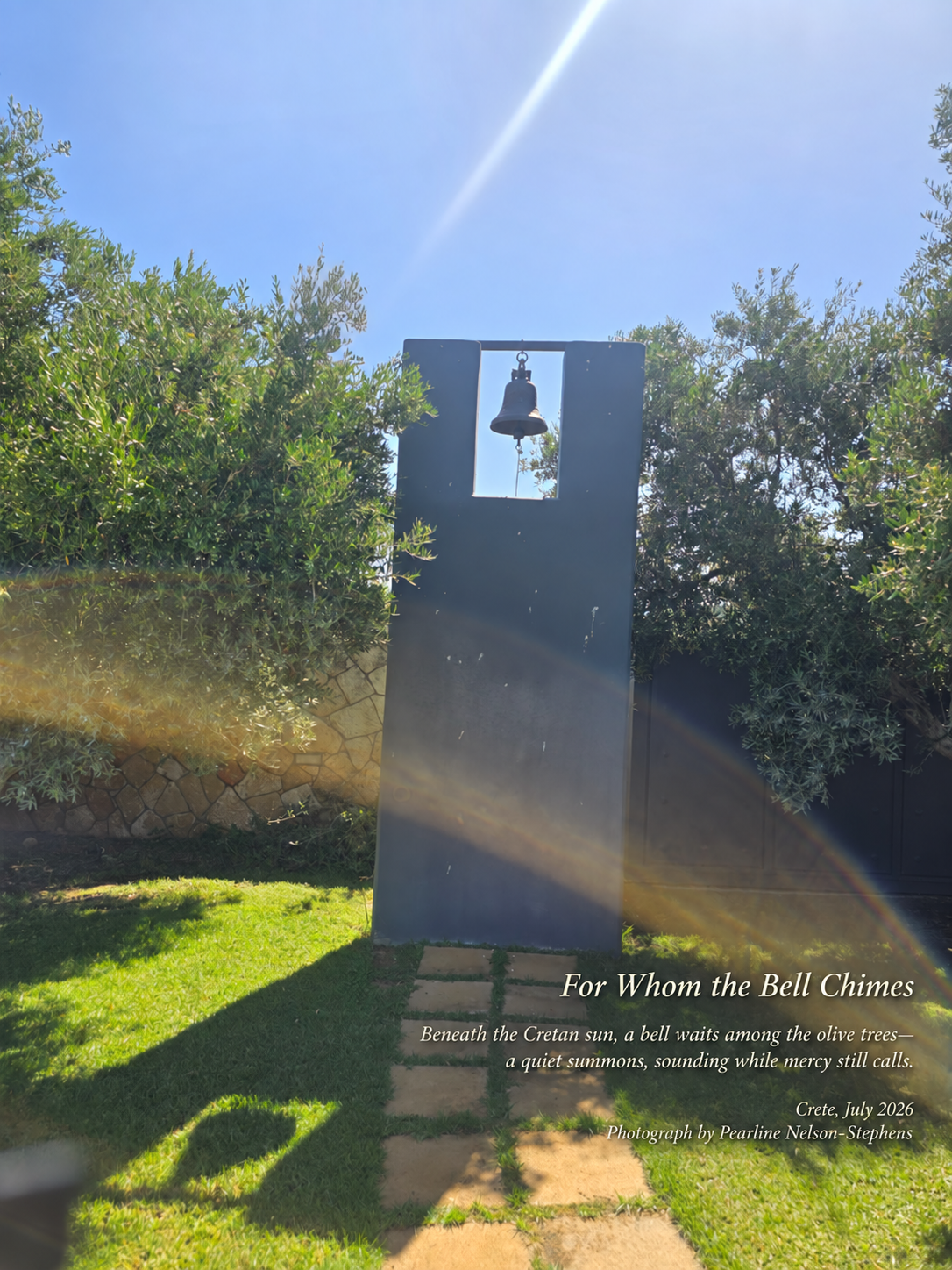
The Full Circle of Mercy
A poem, scripture and reflection exploring hurt, forgiveness, apology and healing.
What do we do when someone who has hurt us asks for help? The journey from pain to mercy is rarely simple: it can hold anger, distance, unanswered apologies, necessary boundaries and the slow work of healing. Through a poem, scripture and reflection, this piece explores how compassion can have the final word without denying the wound or abandoning wisdom.
POEM
Taken from our upcoming Book Whispers of Grace: The Eleventh Hour
I am sorry…
I have been short-sighted,
Foolish,
Unwise.
I have spent almost a lifetime
Angry at the way you treated me
So angry
That I failed to see your need.
I stayed away from
The sharpness of your tongue,
Your rough edges
That seemed to scrape the scabs
From an old wound.
You called out for help,
And I ran as fast as I could
As far away as I could go.
I thought you should apologise,
That I owed you nothing…
But here I am,
Full circle,
Brought back
To this same place…
What help do you need?
Scripture and reflection
The poem’s final question marks a change of posture: the speaker no longer responds only from the wound, but begins to see the other person’s need. That turn prepares us to consider the call to mercy in Luke’s Gospel.
“Therefore be merciful, just as your Father also is merciful.”
Luke 6:36 NKJV
Reflection
Mercy rarely travels in a straight line. Sometimes we move away to protect ourselves from words and behaviour that reopen old wounds. Distance can be necessary, and forgiveness does not make harmful treatment acceptable.
Yet pain, when left unhealed, can become the lens through which we see only what someone did to us—not what may be happening within them.
The return in this poem does not deny the past. It reveals that the past no longer controls the response. The person who once ran away can now stand in the same place and ask, “What help do you need?”
This is the full circle of mercy: not forgetting, not abandoning wisdom and not offering ourselves to further harm, but allowing compassion, rather than resentment, to have the final word.
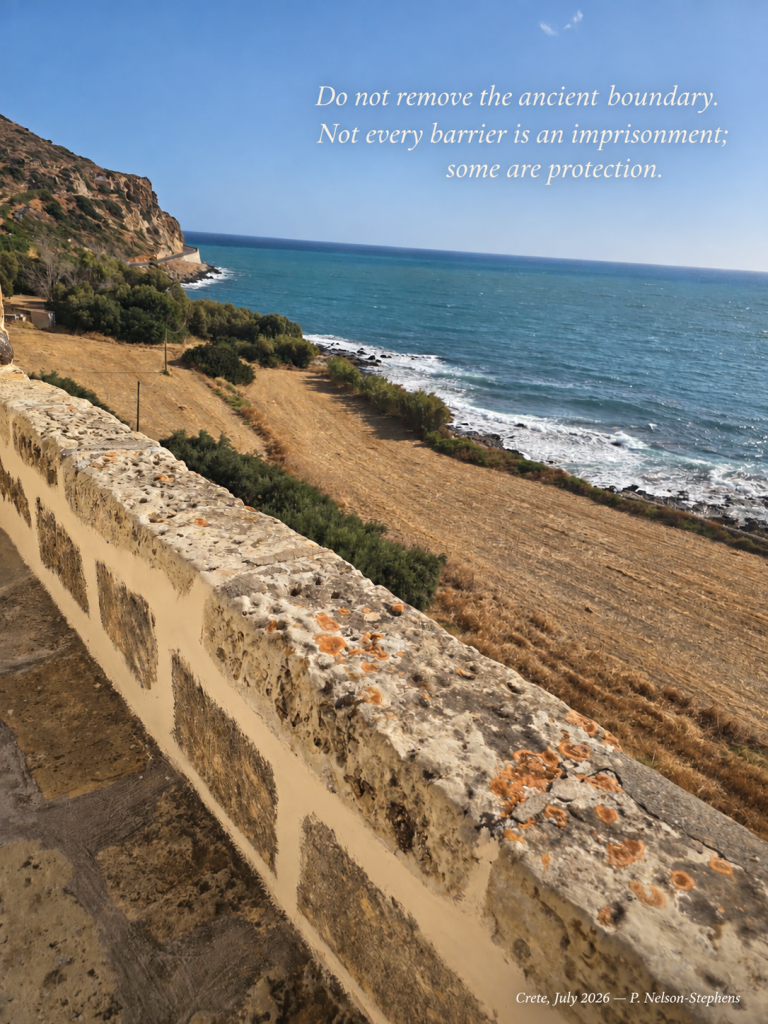
Naming the wound
Mercy does not begin with pretending that nothing happened. It begins by naming the wound honestly—what was done, how it affected us and what it left behind. Hurt can linger as fear, guardedness, anger or grief long after the original moment has passed. A familiar tone of voice, a careless remark or an unexpected encounter may scrape against that tender place and make an old injury feel new again. Acknowledging the wound is not the same as living in the past; it is an act of truth that allows healing to begin.
Choosing forgiveness
Forgiveness acknowledges that a wrong was done and that its effects matter. It does not minimise the offence, excuse harmful behaviour or pretend that trust has not been damaged. Rather, it is the difficult choice to place our anger, grief and desire for repayment before God, asking for the grace to release the debt that keeps us bound to the injury. Sometimes forgiveness feels like a single decision; more often, it becomes a practice we return to whenever painful memories rise again.
When an apology never comes
A sincere apology can bring relief because it tells us that the harm has been seen and taken seriously. We may long to hear words of responsibility, regret and a willingness to make amends. Yet some apologies are incomplete, delayed or never offered. When that happens, our healing cannot depend entirely on another person’s response. We can grieve what was never acknowledged, seek wise support and allow God to lead us forward without waiting indefinitely for the words we hoped to hear.
The slow work of healing
Healing is rarely quick or tidy. It may involve time, prayer, honest reflection, supportive relationships and, where appropriate, professional help. The memory may remain, but as healing takes root it no longer has to govern every reaction or decision. Gradually, we learn to respond from a place of freedom rather than fear, anger or constant self-protection. Progress is not measured by forgetting what happened, but by recognising that the wound has less power over the way we live and relate to others.
Mercy with wisdom
Mercy and wisdom belong together. Compassion can grow even when boundaries remain necessary, and forgiving someone does not automatically restore access, closeness or trust. Trust must be rebuilt through truth, accountability, changed behaviour and consistency over time; not through an apology alone. In some circumstances, distance remains the wisest and most loving response. Mercy frees us from the demand for vengeance; wisdom helps us recognise what is safe, healthy and responsible. Together, they make it possible to ask, “What help do you need?” without surrendering the lessons the wound has taught us.
Questions for reflection and healing
- What wound do I need to name honestly, without minimising what happened or allowing it to define me?
- What feelings rise when I remember this experience, and what might they be revealing about the healing I still need?
- Am I waiting for an apology before allowing myself to move forward? What would healing look like if that apology never came?
- What might forgiveness mean in this situation and what does it not require of me?
- Which boundaries would help me practise mercy without exposing myself to further harm?
- Who could offer wise, trustworthy support as I work through this pain?
- What resentment, fear or desire for repayment am I ready to place before God?
- What is one small, safe step I can take today toward greater freedom, peace or compassion?
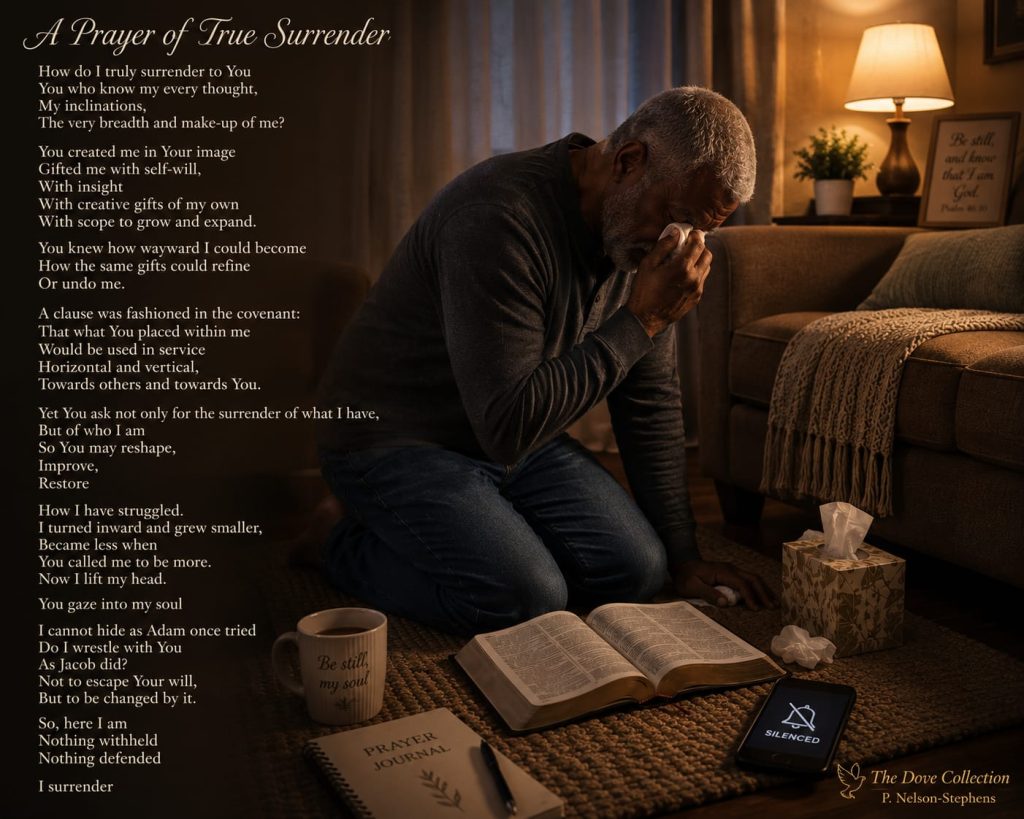
Would you like someone to talk or pray with?
If past or present hurts are weighing on you, you do not have to carry them alone. You may wish to speak and pray with a trusted Christian friend, church leader, pastor, chaplain or prayer-ministry team—someone who will listen with compassion, respect your confidence and support wise, safe next steps.
The Dove Collection would also be honoured to pray with you or for you. If you would like prayer about a past or present hurt, please contact The Dove Collection and share only what you feel comfortable sharing.
Prayer can be part of healing, but it need not replace practical help. If harm is ongoing, or if you feel unsafe, please seek support from an appropriate safeguarding service, healthcare professional or emergency service.
Wherever you are on the journey, may you find the courage to name what has hurt, the wisdom to protect what needs protecting and the grace to take one gentle step towards healing. May mercy meet you there—not erasing the past, but loosening its hold and making room for peace, prayer and hope.
A prayer for mercy and healing
Merciful Father, You see every wound I carry and know the pain I cannot always put into words. Give me courage to face the truth without allowing the past to define me. Help me to forgive without excusing harm, to show compassion without abandoning wisdom and to set boundaries that protect what You are restoring in me. Where no apology has come, loosen resentment’s hold on my heart. Lead me towards the right support, the next safe step and the freedom that grows through Your grace. Teach me to recognise the needs of others while trusting You with my own, and let mercy, not bitterness, have the final word. Bring healing, peace and renewed hope, one day at a time. In Jesus’ name, Amen.
An Invitation to Take Part
There is more to discover at The Dove Collection, including new content about our two upcoming books:
Whispers of Grace: The Eleventh Hour
A collection of poetry, scripture and reflections journeying through warning, lament, repentance and praise. These pages invite us to pause and listen for grace amid life’s questions and struggles.
The Shenley Chronicles
An illustrated children’s book following Shenley and his feline companions through family life and unexpected adventures. Warmth, humour and a little mischief await young readers.
Visit the rest of the Website to explore the latest updates and discover more about both books.
We would love to hear from you. What stayed with you from this reflection? What would you like to read more about? Please leave a comment or get in touch through our Contact page.
Once again, you have watered where I felt hydrated.
Thank you so much. May GOD replenish more in you, all .
I take this all. It is refreshing to my spirit, soul, and body. Once again, thank you.
Another beautiful, thoughtful, well put-together piece!